January 7, 2026
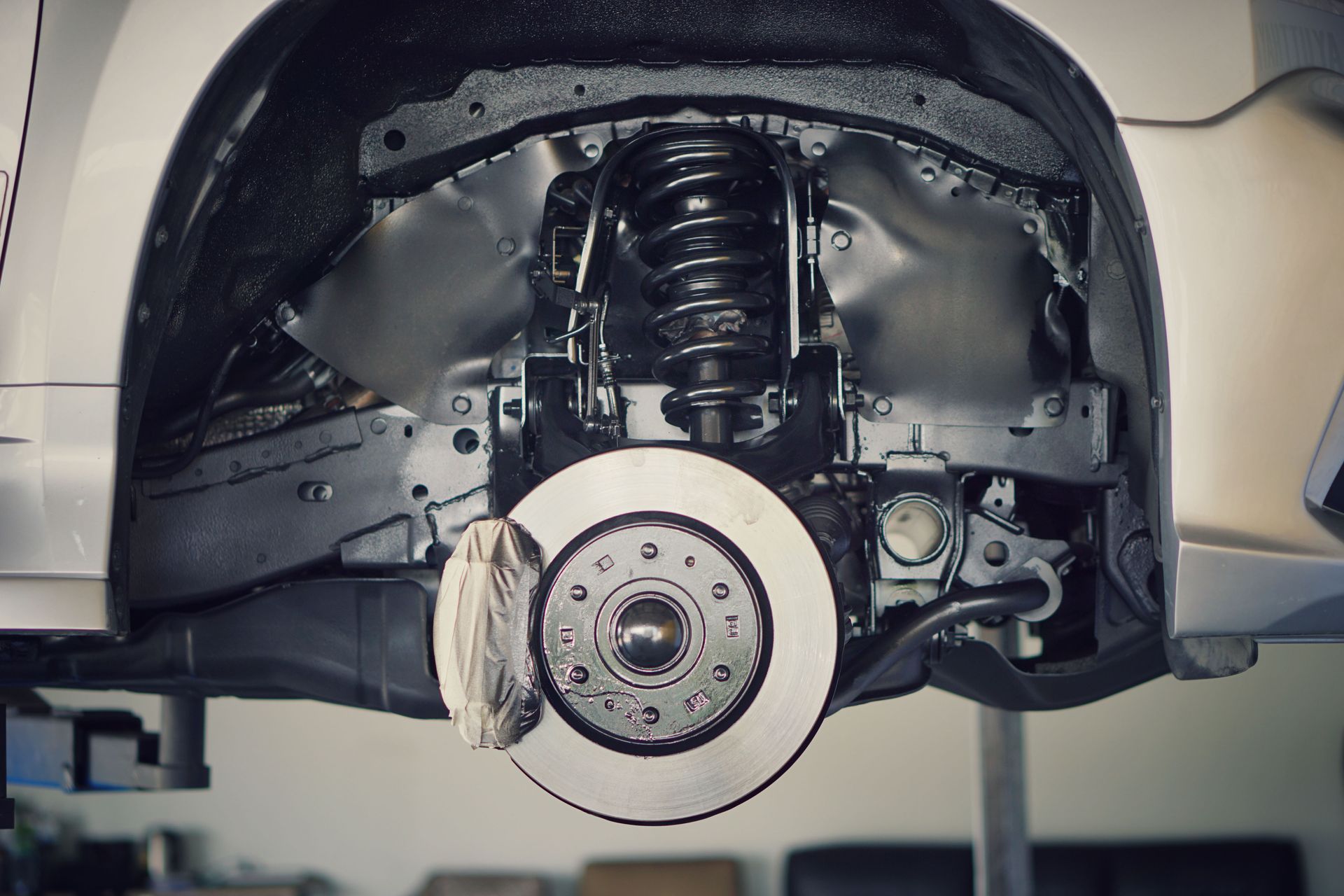
Brake systems are critical for ensuring vehicle safety, and understanding their operation is essential for proper maintenance. Vehicles may be equipped with disc brakes, drum brakes, or anti-lock braking systems (ABS). Disc brakes, commonly found in modern cars, provide strong stopping power and efficient heat dissipation. Drum brakes, more common in older vehicles, still play a vital role in braking performance. ABS technology prevents wheel lockup during sudden stops, improving stability and control. Knowledge of these systems helps drivers recognize potential issues and emphasizes the importance of timely brake repair.
Understanding How Brakes Function in Vehicles
Brakes work by converting kinetic energy into heat, slowing the vehicle as friction is applied. When the brake pedal is pressed, hydraulic fluid transmits this force to the brake pads, creating friction against the rotors or drums. This friction is essential for safe deceleration. Components like brake pads, calipers, rotors, and brake fluid must all operate optimally. Neglecting any part can compromise braking efficiency and lead to hazardous situations. Regular inspections and professional brake repair ensure all components function correctly, providing reliable stopping power in every driving scenario.
Brake systems also rely heavily on proper brake fluid levels and quality to function effectively. Over time, brake fluid can absorb moisture, reducing its boiling point and impairing braking performance. Contaminated or degraded fluid can lead to spongy pedals, slower response times, and increased stopping distances. Regularly checking and flushing brake fluid as part of scheduled maintenance is crucial for preventing these issues and maintaining consistent braking performance. A local brake repair specialist can determine when fluid replacement is necessary to safeguard your braking system.
In addition to fluid maintenance, the mechanical components of brakes require consistent attention. Brake pads wear down with use, and rotors can become warped or uneven due to heat and friction. Calipers may seize or leak, further diminishing braking effectiveness. By conducting timely inspections and addressing wear early, drivers can prevent costly repairs and maintain vehicle safety. Engaging a professional for brake repair ensures that all components are evaluated and serviced to manufacturer specifications, helping avoid accidents and prolonging the life of the braking system.
Recognizing How to Spot Signs of a Failing Brake System
Recognizing early signs of brake failure can prevent costly repairs and accidents. Common indicators include squeaking or grinding noises, often caused by worn brake pads or damaged rotors. Vibrations or shaking while braking may signal warped rotors, reducing braking efficiency. A spongy or unresponsive brake pedal can indicate air in the hydraulic system or low brake fluid, while dashboard warning lights often signal issues needing immediate attention. Responding to these signs with prompt brake repair maintains vehicle safety and avoids more serious complications down the line.
Ignoring early warning signs of brake problems can lead to more severe damage and increased repair costs. For instance, worn brake pads left unaddressed can cause grooves or scoring on the rotors, requiring expensive resurfacing or replacement. Similarly, neglecting a spongy pedal or fluid leak can compromise the entire hydraulic system, leading to partial or complete brake failure. Timely brake repair not only addresses these issues before they escalate but also ensures that the vehicle remains safe for everyday driving.
Regular monitoring and maintenance of brakes are essential for both safety and performance. Scheduling routine inspections with a certified brake repair professional allows for early detection of wear or malfunction, ensuring that components like pads, rotors, and calipers are replaced or serviced as needed. Additionally, consistent maintenance helps maintain optimal stopping power, reduces the risk of accidents, and extends the lifespan of the braking system. By prioritizing brake care, drivers can maintain confidence in their vehicle’s ability to perform safely under all driving conditions.
Understanding The Importance of Regular Maintenance
Routine brake maintenance is essential for both safety and cost-effectiveness. Regular inspections allow early detection of wear and tear on components like pads, rotors, and brake fluid. According to the Federal Highway Administration, the average driver covers over 13,500 miles annually, making consistent maintenance critical. Preventive care ensures brakes perform effectively under all driving conditions, reduces the likelihood of accidents, and extends the lifespan of brake components. Investing in brake repair before issues escalate saves money and promotes a safer driving experience.
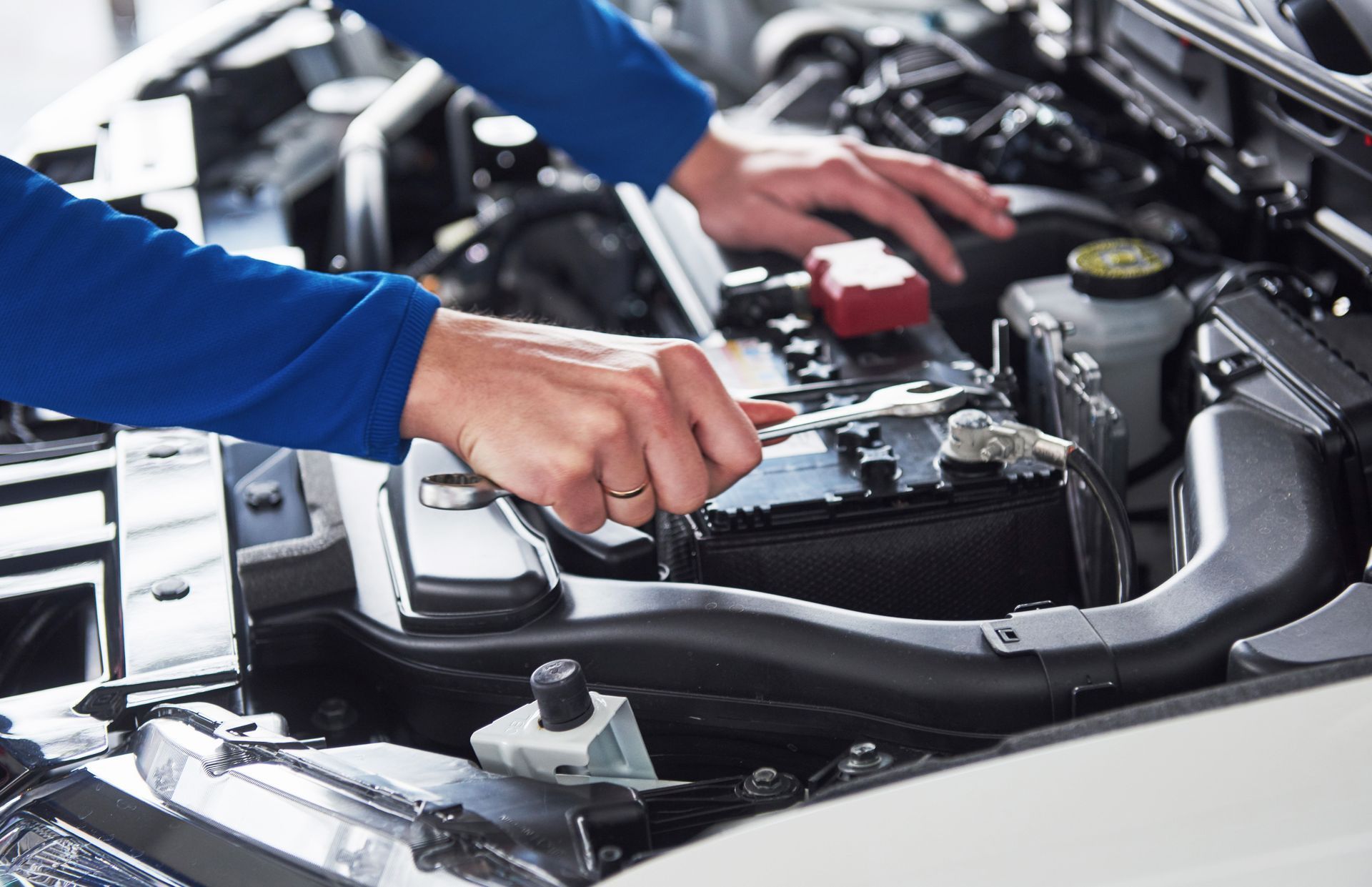
Professional expertise is a key factor in effective brake maintenance and repair. Certified technicians possess the training and experience to identify subtle issues that may not be apparent to vehicle owners, such as uneven pad wear, caliper sticking, or early signs of rotor warping. Using specialized tools and following industry best practices, they ensure that every component of the brake system is functioning optimally. Relying on professional brake repair not only guarantees safety but also provides peace of mind, knowing that critical vehicle systems are in capable hands.
In addition to safety, proper brake repair extends the overall lifespan of brake components. Regularly replacing worn pads, resurfacing or replacing rotors, and maintaining proper brake fluid levels prevent premature wear and reduce stress on other parts of the braking system. Long-lasting brakes contribute to the reliability of the vehicle, enhancing performance and value over time. By prioritizing professional brake maintenance, drivers can avoid costly emergency repairs, improve vehicle efficiency, and maintain consistent stopping power for years to come.
Identifying Common Brake Issues and Their Implications
Frequent brake problems include squeaking, grinding, vibration, fluid leaks, and unresponsive pedals. Squeaking usually indicates worn pads, while grinding can damage rotors and calipers. Vibrations often stem from warped rotors, affecting stopping performance. Brake fluid leaks compromise hydraulic pressure, and unresponsive pedals reduce braking effectiveness. Ignoring these problems increases the risk of accidents, can damage other vehicle systems, and may result in legal or insurance complications. Timely brake repair addresses these issues, safeguarding both the driver and the vehicle.
Dashboard warning lights also play a crucial role in alerting drivers to potential brake system issues. Modern vehicles are equipped with indicators that illuminate when brake fluid is low, pads are worn, or the anti-lock braking system (ABS) detects a fault. Ignoring these warnings can lead to severe braking problems or complete system failure. Responding promptly to dashboard alerts by scheduling brake repair ensures that minor issues are addressed before they escalate, maintaining safety, preserving vehicle functionality, and preventing costly emergency repairs.
Choosing the Right Brake Repair Services
Selecting a qualified repair service is crucial for long-term safety and performance. Look for certified technicians, transparent pricing, warranties on parts and services, and modern diagnostic tools. Quality components are essential; high-grade brake pads and rotors outperform cheaper alternatives and reduce the frequency of replacements. While DIY repairs may seem cost-effective, professional brake repair ensures precision, proper installation, and adherence to safety standards. Customer reviews and personal recommendations provide additional insights when choosing a trusted service center.
Exploring Future Considerations in Brake Technology
Brake systems are evolving with advances in automotive technology. Regenerative braking in electric and hybrid vehicles recovers energy while slowing the car, reducing wear and extending component life. Integration with advanced driver-assistance systems (ADAS) enhances safety features like automatic emergency braking. High-performance materials, such as carbon-ceramic composites, improve heat resistance and durability. Autonomous vehicle technology will require sophisticated braking systems capable of handling automated scenarios. Staying informed about these developments ensures drivers can make knowledgeable decisions regarding brake repair and system upgrades.
Regular brake repair and maintenance are essential for vehicle safety, performance, and longevity. Neglecting brakes can lead to accidents, increased repair costs, and reduced resale value. According to the Federal Highway Administration, properly maintained brakes are vital for drivers who average over 13,500 miles per year. Choosing high-quality parts, skilled technicians, and timely service ensures that the braking system functions optimally. For professional and reliable brake repair services, contact Cornell Motors to keep your vehicle safe and performing at its best.